The Benefits of Building with Bamboo
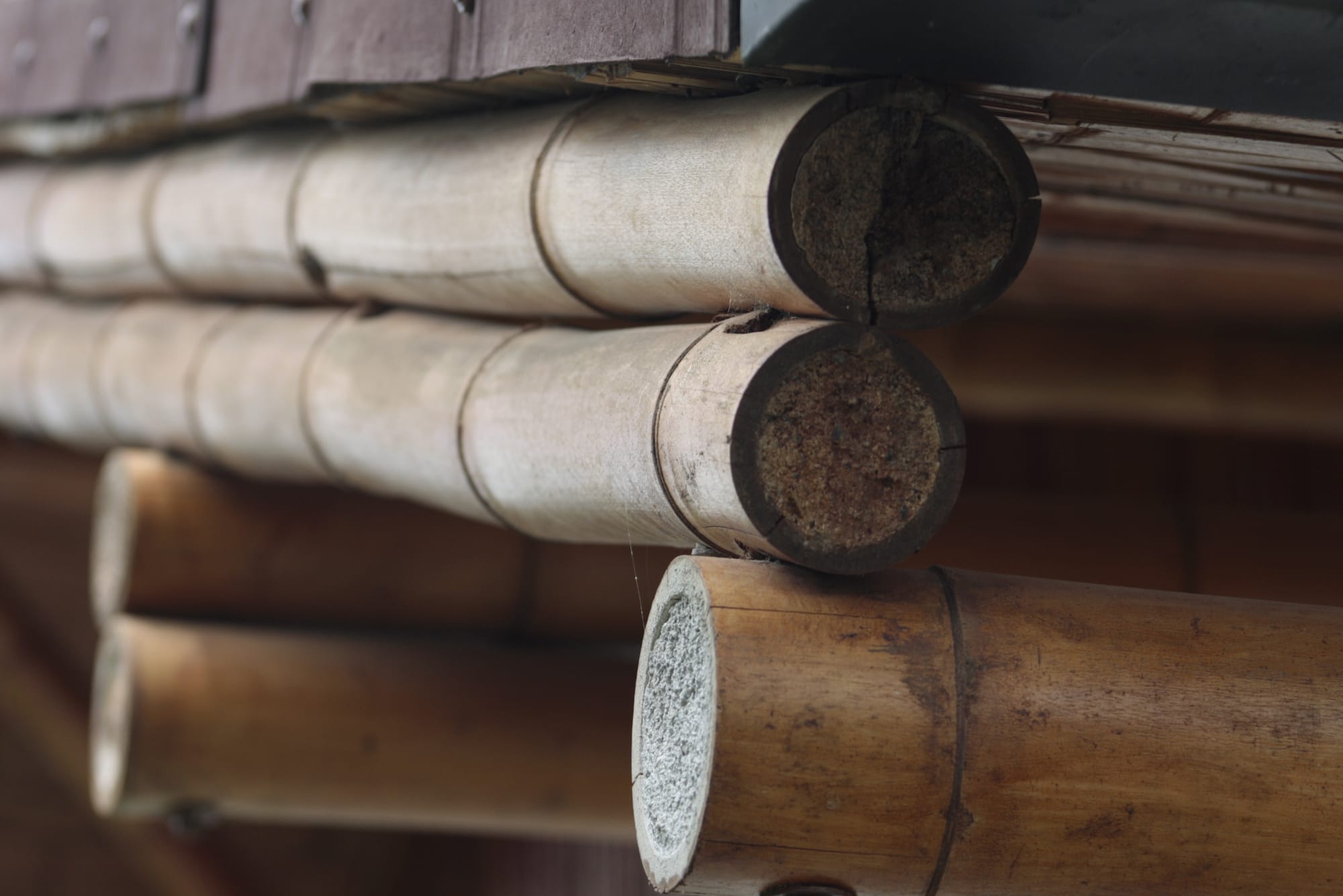
Bamboo construction has gained popularity in recent years due to its numerous benefits to both the environment and local communities. This versatile material has proven to be a sustainable and cost-effective alternative to conventional building materials. Below, we explore some of the advantages of using bamboo in construction:
Sustainability: Bamboo is one of the fastest growing plants on the planet, making it a renewable and sustainable source of building material. Unlike wood, which can take decades to grow, bamboo can reach maturity in just a few years, making it highly renewable. Strength: Despite its lightweight appearance, bamboo is surprisingly strong and durable. It has strength comparable to steel and can withstand high loads, making it an ideal material for the construction of large-scale structures. Flexibility: Bamboo is an extremely flexible material that can be molded and curved to fit a variety of architectural designs. This flexibility allows for the creation of unique and creative structures that would be difficult to achieve with conventional materials. Low environmental impact: Bamboo production requires less energy and resources compared to other building materials, resulting in a much lower carbon footprint. Additionally, growing bamboo can help combat deforestation by providing a sustainable alternative to cutting down trees. By taking advantage of the unique properties of this material, architects and builders can create innovative buildings that are environmentally friendly and beneficial to local communities.
Comments