The Use of Biomaterials and Bioconstruction Techniques in Modern Architecture
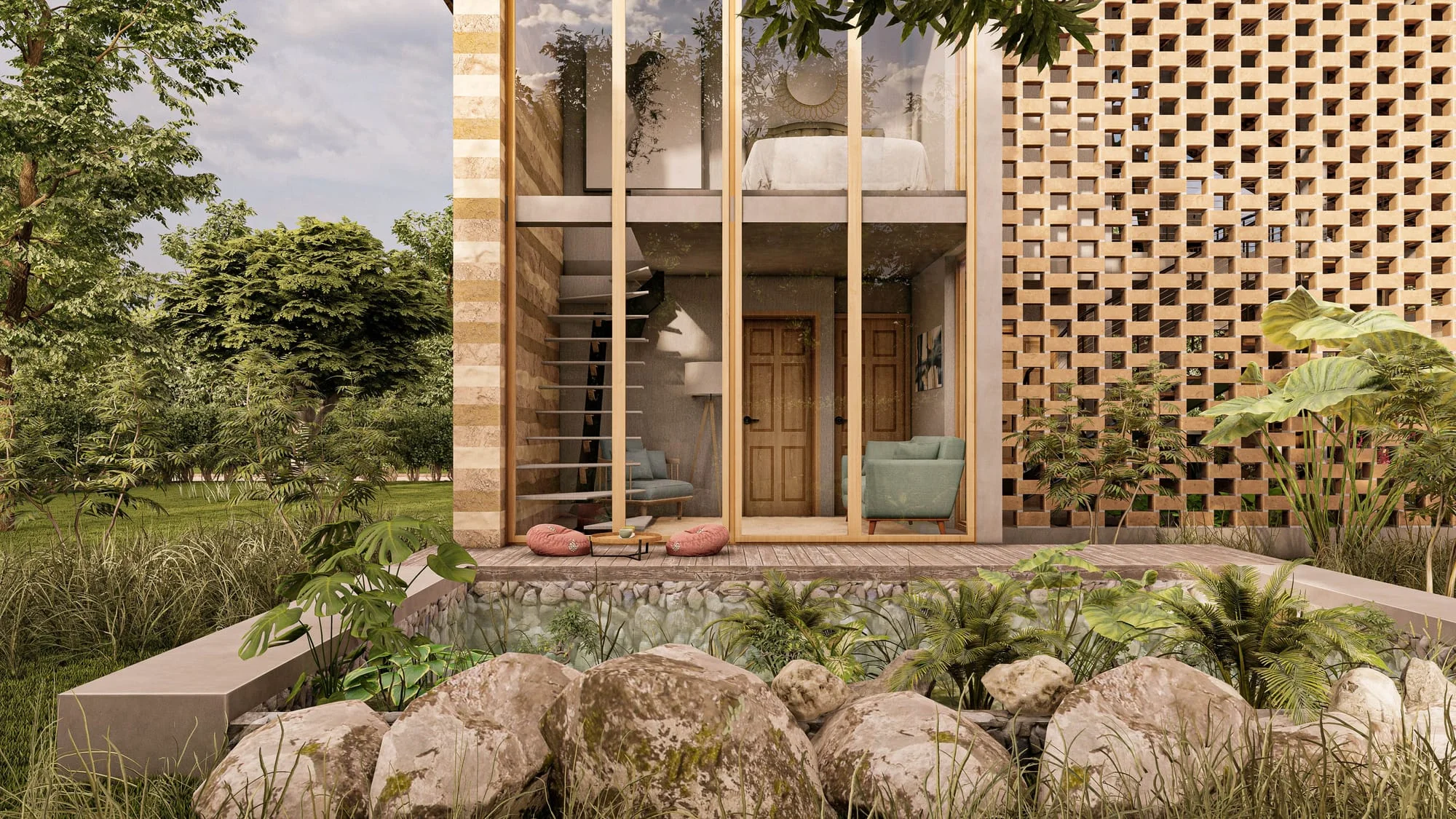
In a world increasingly concerned about climate change, modern architecture is increasingly turning to biomaterials and bioconstruction techniques to create buildings that are environmentally friendly and energy efficient. Here are some reasons why the use of biomaterials and bioconstruction techniques is gaining ground in contemporary architecture:
Sustainability: Biomaterials, such as wood and soil, are renewable resources that have a low environmental impact compared to traditional building materials. Using these materials helps reduce dependence on non-renewable resources and reduce the carbon footprint of buildings. Energy efficiency: Biomaterials tend to have natural insulating properties, allowing them to regulate the temperature inside a building and reduce the need for artificial heating and cooling. This not only decreases energy consumption, but can also lead to significant savings in long-term operating costs. Health and well-being: Biomaterials are typically non-toxic and are less likely to emit harmful chemicals into the indoor air of buildings. This creates a healthier and more comfortable indoor environment for occupants, promoting their well-being and quality of life. Innovation: Combining bioconstruction techniques with modern technologies, such as 3D printing and digital modeling, opens up new design and construction possibilities. This allows the creation of innovative and efficient buildings that adapt to the needs of the 21st century. In conclusion, the use of biomaterials and bioconstruction techniques in modern architecture offers a sustainable and efficient way of designing and constructing buildings. By integrating these principles into architectural projects, it is possible to create built environments that are environmentally friendly, healthy for occupants, and aesthetically appealing.
Comments