El hormigón reciclado, ventajas y limitaciones
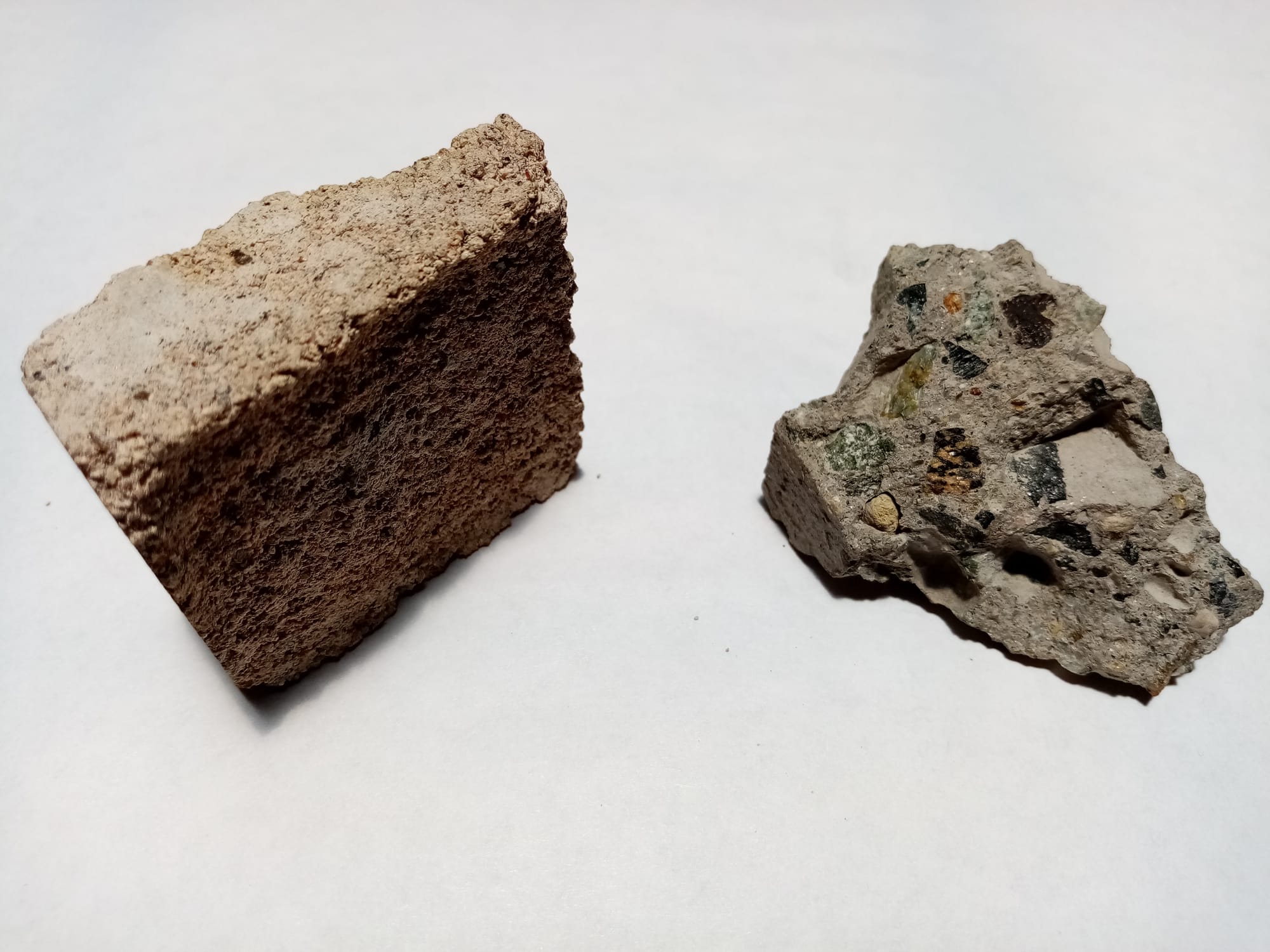
Concrete, an ancient material of stone origin, considered one of humanity's first artificial construction components. Its origin dates back millennia, passing through ancient civilizations in Egypt, India and Rome.
The Romans developed the "opus caementicium" about 2,000 years ago, combining volcanic ash and quicklime. This mixture allowed them to create a material so durable that it has survived to this day. Recent research has demonstrated the secret of Roman concrete, made from quicklime, pozzolanic rock and water at high temperatures. This combination allowed the formation of chemicals capable of self-repair in the presence of water. Since when a crack appeared, the quicklime available in the mixture reacted with the surrounding water, hydrating, and then transforming into Calcium Carbonate, the main component of the Limestone rock.
Today, excessive abuse of the legacy left by the Romans puts the balance of life on the planet at risk. Concrete is the construction material par excellence, with this sector being responsible for 40% of global CO2 emissions, not to mention the impacts on biodiversity, water and air pollution and people's health. However, various projects have been developed around the world that seek to mitigate the environmental footprint of concrete, reducing the exploitation of non-renewable raw materials for its manufacture, replacing them with concrete waste. This urban mining can be an alternative to change the conventional development model, however, the degree of recyclability of concrete is limited, since it is not possible to use it infinitely due to the impurities at the end of its life cycle, which decrease. . Its resistance increases the air permeability of the matrix that composes it and makes it more vulnerable to the passage of time.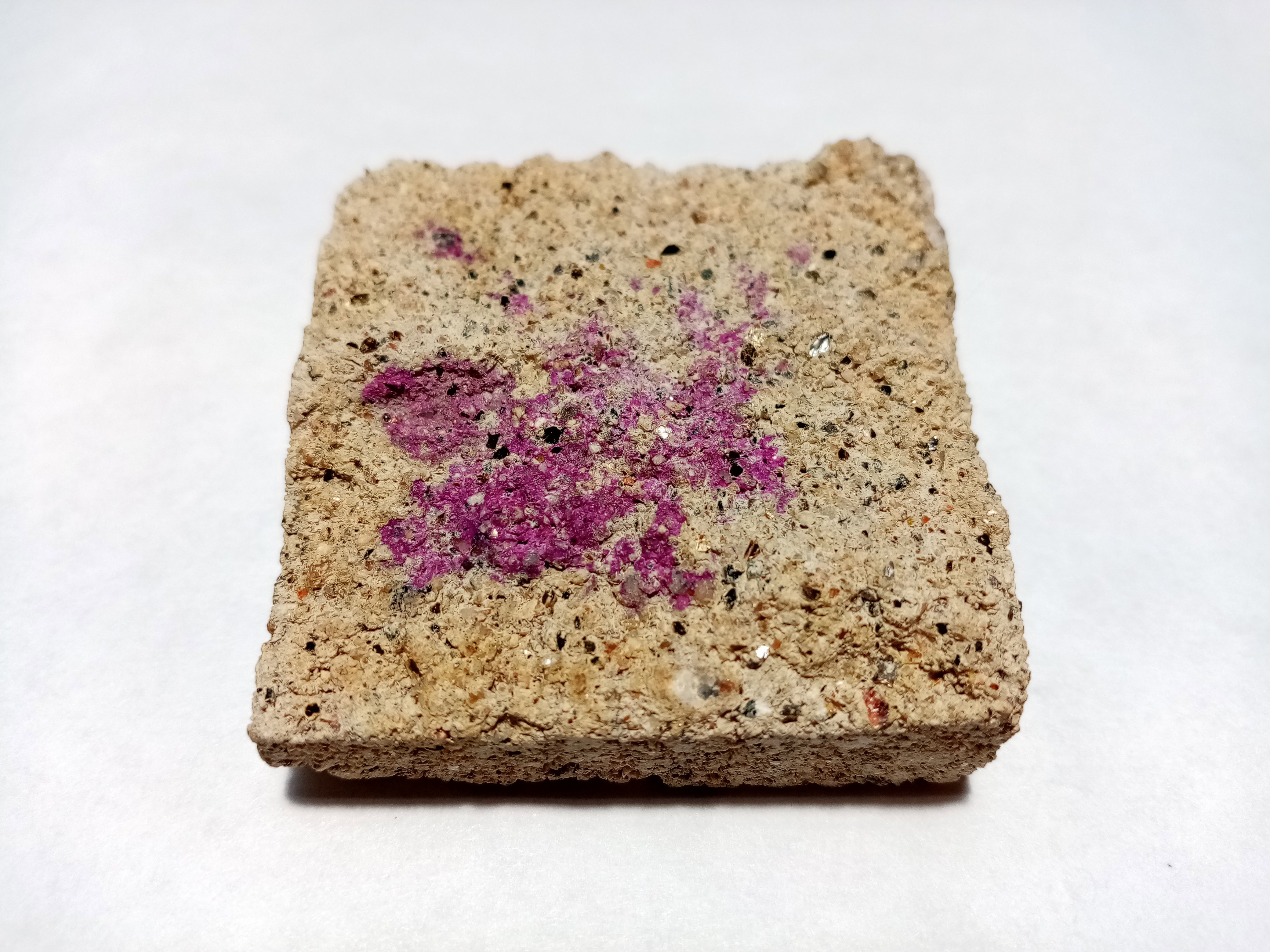
Comments